The person behind the notebooks
I look for the pattern before I reach for the tool.
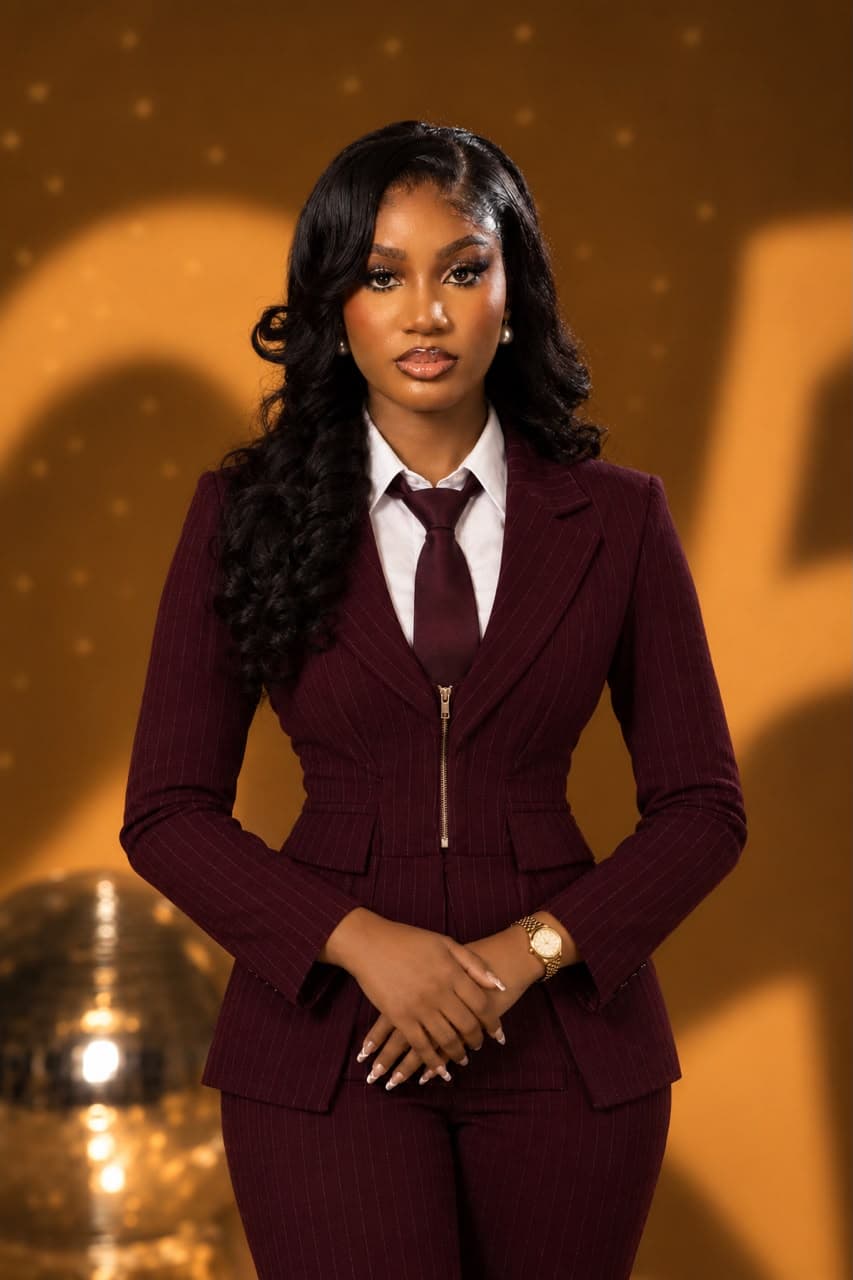
Data scientist. Former physiology student. I build small, honest tools that answer one question well — and I care more about understanding the people inside a dataset than decorating a report about them.
Istudied physiology before I studied data — which meant I learned to ask “what's actually going on here” long before I learned to code. In the lab, a spike on a chart was never just a spike; it was a heart rate, a hormone, a body trying to hold itself in balance.
That instinct followed me into Python. Cleaning messy datasets, questioning what a gap in the data actually means, building small, focused tools that answer one question well — rather than dashboards that answer none in particular. The tool changed. The question didn't.
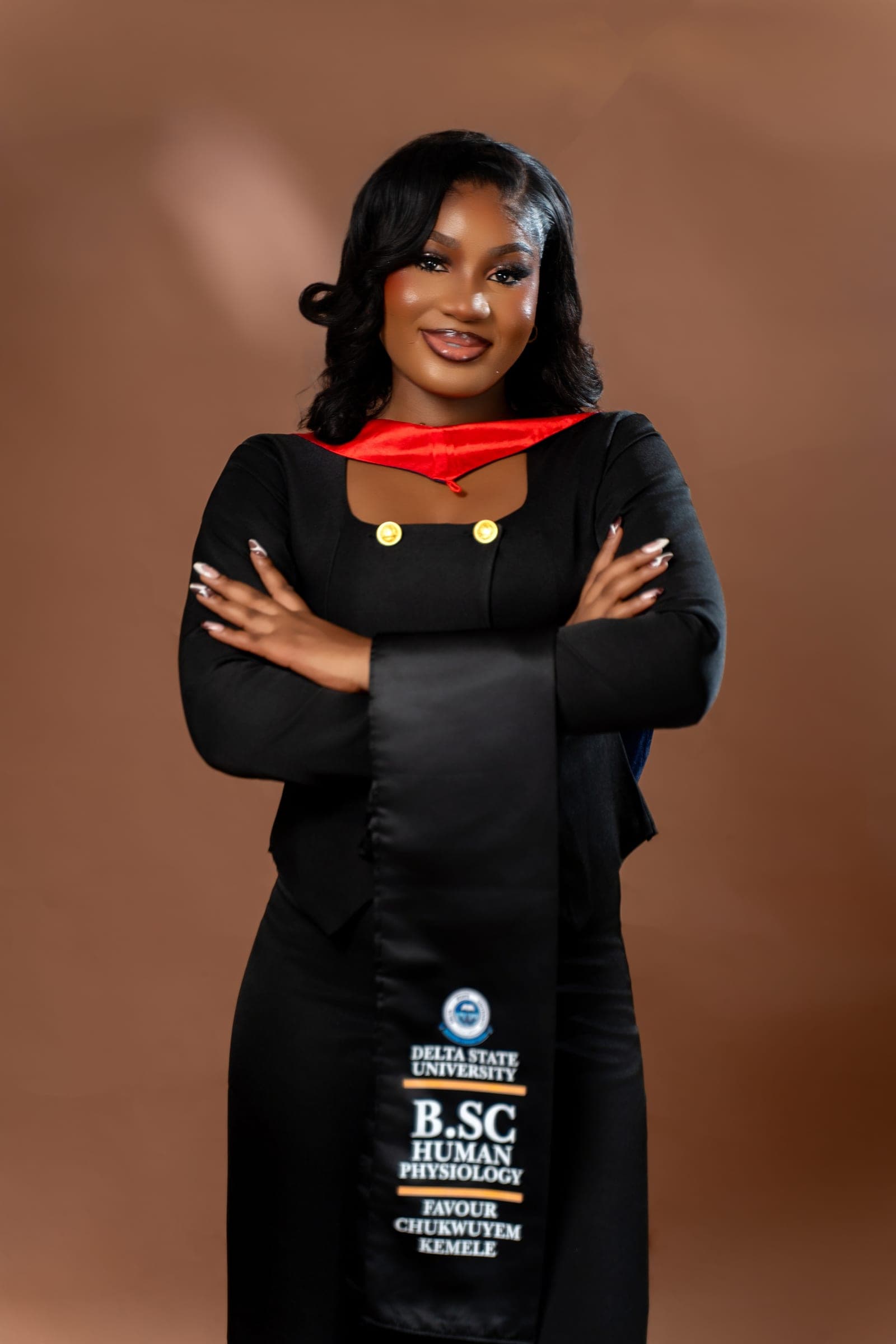
My degree was a Second Class Upper from Delta State University, Abraka — but the more useful thing it gave me was a way of thinking: look for the mechanism, respect the noise, and never trust a number you can't explain in a sentence.
Since then I've built five independent projects end-to-end — a content-based movie recommender using TF-IDF and cosine similarity, and exploratory analyses of Netflix, Spotify, breast-cancer diagnostics, and Nigerian adolescent fertility data. The clinical ones felt closest to home; my physiology background turned rows of cell measurements into something I could actually read.
I'm looking for my first role in data — ideally somewhere that treats analysis as a way of understanding people, not just decorating a report. Somewhere I can keep asking the question that started all of this.
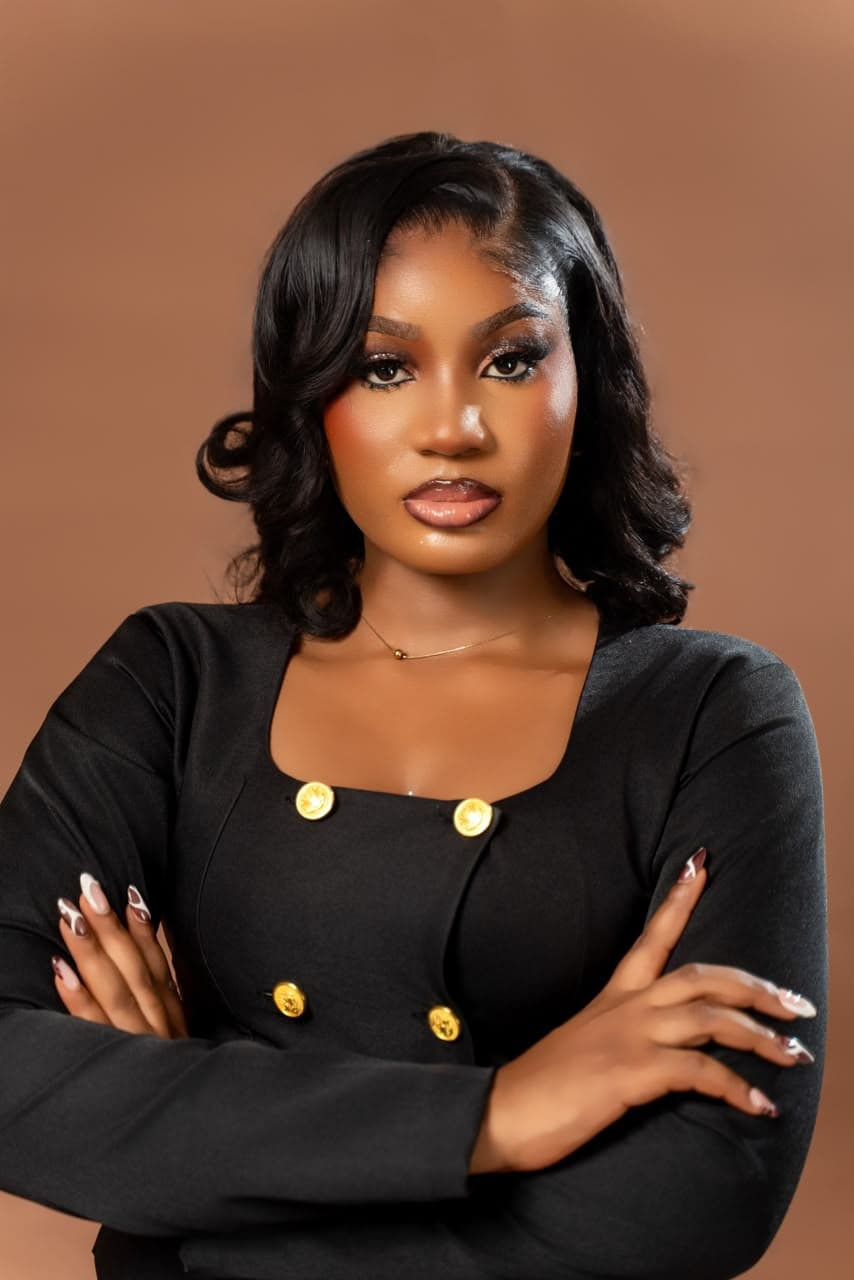
From the lab bench to the notebook.
- 2024 — presentIndependent
Data Scientist
Five self-directed, end-to-end projects across recommendation systems, clinical diagnostics, and public-health data.
- Stanford UniversityCertificate
Code in Place
Intensive introduction to computer science and Python, taught in the CS106A tradition.
- KaggleCertificate
Intro to Machine Learning
Model building, validation, and the fundamentals of supervised learning.
- Devs and DesignCertificate
Data Science & Machine Learning
Applied data science workflow from cleaning to modelling and communication.
- DataLensCertificate
Data Annotation
Structured labelling and the quiet, careful work that good training data depends on.
- Delta State University, AbrakaSecond Class Upper (2:1)
B.Sc. Physiology
Where the habit started: read the mechanism, respect the noise, explain the number.
The instruments I reach for.
Enough range to take a question from a raw CSV to a chart someone can act on.
- Python
- SQL
- Pandas
- NumPy
- Scikit-learn
- TF-IDF
- Cosine similarity
- Intro ML
- Matplotlib
- Seaborn
- Power BI
- Tableau
- Excel
- Git
- GitHub
- MySQL
- Jupyter